"I'm fine": what to say to an aging parent in 8 hard moments
Words to try and words to skip when a parent says "I'm fine": after a fall, help at home, the walker, the car keys, money, moving, the doctor and memory worries.

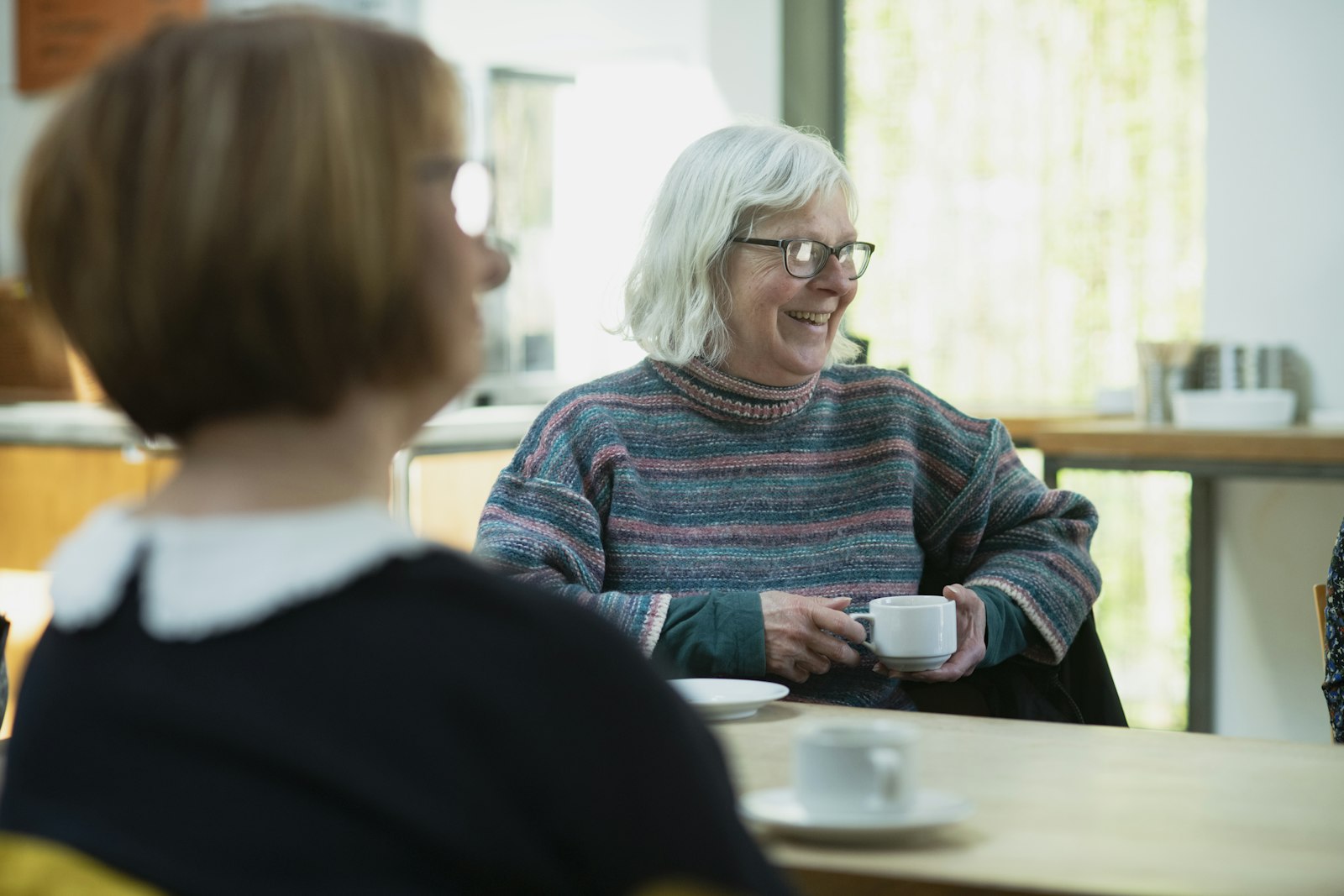
The short answer: when an aging parent says "I'm fine," they're usually protecting their say over their own life, not ignoring you. Swap orders for questions, give them real choices and suggest a small trial instead of a big change. Below are the eight moments that come up most, with words to try, words to skip and one small next step for each.
"I'm fine." Two little words that can end any conversation. If you've heard them after a fall, at the mention of a cleaner or when you brought up the car keys, this guide is for you.
Every family is different, so think of these as starting points, not scripts. Use your own words and your parent's sense of humour. The goal is the same in every moment: help your parent stay in charge of their own life while making it a little easier to live.
A quick note before you read: we're not doctors, therapists or lawyers, and this isn't professional advice. It's what we've learned from official Canadian sources and the families we've talked to. If you're worried about your parent's health or safety, talk to their doctor.
If you want the bigger picture first, start with when your aging parent is being difficult. It explains what's usually going on underneath, and when "difficult" is actually a health sign.
1. After a fall: "I just tripped. It's nothing."
What's underneath: worry that one fall means losing their freedom, and embarrassment about it happening at all.
- Try: "I'm so glad you're okay. Would you see the doctor this week, just so I can stop worrying?"
- Try: "What do you think made you trip? Let's fix that together."
- Skip: "You need to be more careful." It makes the fall their fault and ends the conversation.
Next step: book a check-up and fix the path from the bed to the bathroom. Our guide to what to do after a fall has the full plan, and making home safer after a fall goes room by room.
2. Help at home: "I don't want strangers in my house."
What's underneath: privacy, cost and the feeling that help in the house means they're not coping.
- Try: "What's the one job you'd happily never do again?"
- Try: "Let's try a cleaner every other Friday for a month. If you don't like it, we stop."
- Try: "You pick who comes in. You can meet them first."
- Skip: "You can't keep up with the house anymore."
Next step: start with the job they dislike most, not the one you worry about most. See how other families do it in our plan for bringing in help at home.
3. The walker or cane: "I'm not using that thing."
What's underneath: a walker can feel like a sign of getting old, in public, for everyone to see.
- Try: "Think of it as the thing that gets you to bridge night and back."
- Try: "Would you try it for the long walks, and skip it around the house?"
- Try: "Let's ask the physio which one fits you best." Let an expert make the case.
- Skip: "The doctor says you have to."
Next step: let them choose the style and colour. In Ontario, the Assistive Devices Program pays 75% of the approved price of a wheeled walker after an assessment by a registered therapist, so do the assessment before you buy.
4. The car keys: "I'm a perfectly good driver."
What's underneath: driving often means freedom, friends and the whole shape of the week. Giving it up can feel like losing all three.
- Try: "I'm not asking you to stop. Can we talk about which drives feel harder, like at night or on the highway?"
- Try: "If you didn't drive to bridge on Tuesdays, how would you want to get there?"
- Try: "Would you be open to a driving check, so we both know where things stand?"
- Skip: taking the keys or disabling the car without a conversation. It breaks trust fast.
Next step: plan the rides before anyone talks about stopping, so the answer to "how will I get around?" is already there. In Ontario, drivers 80 and older renew their licence every two years, with a vision test and a short screening exercise, and may be asked to take a road test. Other provinces have their own rules. Our plan for driving less shows how to line up rides for groceries, coffee and the gym.
5. Money, the will and powers of attorney: "That's my business."
What's underneath: privacy, and maybe a fear that talking about it means you're waiting for something to happen.
- Try: "You're right, it is your business. I just want to make sure what you want actually happens."
- Try: "If something happened to you tomorrow, who would you want making decisions?"
- Try: "I just did my own will. It got me thinking about yours." Going first makes it easier.
- Skip: asking for account numbers or passwords in the first conversation.
Next step: focus on who, not how much. Choosing powers of attorney while life is calm keeps your parent in charge of who speaks for them. Here's how to approach getting the paperwork in order together.
6. Moving or downsizing: "I'm not leaving this house."
What's underneath: a lifetime of memories, a neighbourhood they know and real fear about the alternative.
- Try: "What would it take for you to stay here as long as possible?"
- Try: "What do you love most about living here?"
- Try: "No decisions today. Would you be up for looking at a couple of places, just to know the options?"
- Skip: "We've found a place for you."
Next step: often the best first move is making the current home work, with small changes and the right help. If a move is on the table, let your parent lead it. See our plans for planning to downsize and moving in together.
7. The doctor: "I don't need to see anyone."
What's underneath: fear of what they might hear, or simply not wanting the fuss.
- Try: "Can we book your yearly check-up? I'll drive and we'll grab lunch after."
- Try: "Would you get your hearing checked? I mumble, I know." Statistics Canada testing found measurable hearing loss in most people in their 60s and 70s, and many don't know it.
- Try: "Would you like me to come in with you, or wait outside?"
- Skip: booking appointments behind their back.
Next step: if anything has changed suddenly, like new confusion or a big shift in mood, don't wait for the yearly check-up. Call 811 or their doctor.
8. Memory worries: "I didn't forget. You never told me."
What's underneath: forgetting can be frightening, and denial is a natural first response.
- Try: "Maybe I didn't. Let's put it on the calendar so we're both on the same page."
- Try: "You've seemed stressed lately. How are you sleeping?"
- Try: "It's probably nothing, but let's mention it at your check-up so we can stop wondering."
- Skip: "Don't you remember?" and pop quizzes about names and dates.
Next step: keep notes on what you notice and share them with their doctor. The Alzheimer Society of Canada lists the warning signs, and only a doctor can tell what's going on. Many other things, from medications to low mood, can affect memory too.
When nothing works
Some conversations won't go anywhere today, and that's okay. Take a break and try again in a few weeks. Ask someone your parent trusts, like their doctor, a sibling or an old friend, to raise it instead. And remember that an adult who understands a choice has the right to make it, even one that worries you.
If you're stuck, talk to a navigator. It's free, and a real person from our team will help you think through the next step.
Make it easy to say yes
Parents push back when they feel managed. So we built Hello Pearl to keep the person at the centre in charge. In their private Circle, your parent decides who's in and what each person sees, asks for help when they want it and checks in with one tap. Family and friends say yes and stay in the loop, without the group texts or the nagging. Start by listing your parent's people with the free Circle builder, or start a Circle. It's free for the person at the centre.
We're not doctors, therapists or lawyers. This is general information to help with hard conversations, not advice for your family's situation. Rules and programs change, so check with your province and your parent's doctor. Last checked October 2026.
Sources
- Ontario: Assistive Devices Program, mobility aids
- Ontario: Renew a G driver's licence, 80 years and over
- Statistics Canada: Hearing health of Canadian adults
- Alzheimer Society of Canada: 10 warning signs of dementia
- Public Health Ontario: Delirium and mental status changes
- Nova Scotia Health: Dignity of risk and capacity
Get everyone on the same page.
Start a free Circle and plan everyday life together, with the person at the centre in charge. Not sure where to begin? Talk to a navigator and we’ll help you get set up.
Keep reading
All posts